




 Comment
 Print
Print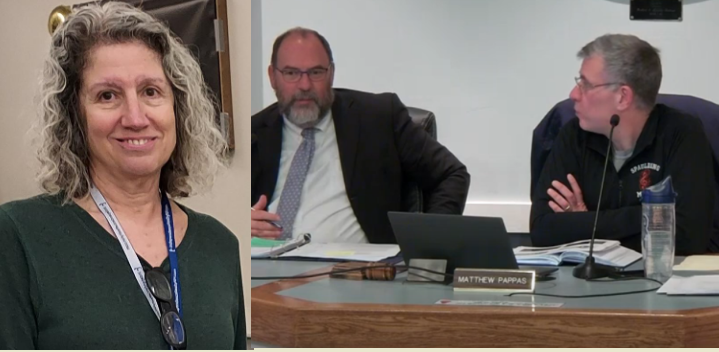
School board members in New Hampshire are elected to represent their communities. They are not appointed advisors, and they are not public relations assistants for the administration. They are elected officials entrusted by voters to ask questions, raise concerns, and communicate with the public about the operation of their schools.
Recent statements by Rochester School Board Chair Matt Pappas, reported publicly following a recent board meeting, raise serious concerns about whether those basic principles are being respected.
According to reports, Chair Pappas instructed board members not to post about school district matters on social media, advised them that they should not engage in back-and-forth with members of the public during meetings, and suggested that board members should not ask the superintendent questions during meetings unless those questions had been vetted in advance.
Guidance like this does more than shape meeting etiquette. It risks undermining the rights and responsibilities of elected officials.
School board members do not surrender their First Amendment rights when they take office. In fact, their ability to speak openly and represent their constituents is central to the role they have been elected to perform. Attempts to discourage elected officials from speaking publicly about school matters -- including on platforms such as Facebook or other social media -- are troubling because they risk chilling speech that the public has every right to hear.
Today, many residents rely on social media as a primary way to receive updates from local officials. Telling board members to "keep school board stuff off social media" runs directly counter to the goal of transparency in local government. School board members are not merely observers of district operations; they are representatives of the public. Communicating with constituents about issues affecting the schools is not improper -- it is part of the job.
It is also important to recognize that elected officials frequently speak publicly about issues without claiming to represent the entire governing body. State representatives do this regularly. Members of city councils and select boards do as well. The public understands that elected officials may hold different viewpoints, and open discussion among those officials is a hallmark of democratic governance.
Equally concerning is the suggestion that board members should not respond to members of the public during meetings. Public comment periods exist so that residents can raise concerns directly with the officials they elected. While meetings must be conducted in an orderly manner, discouraging elected officials from engaging with constituents during public meetings risks turning those meetings into one-way exercises rather than genuine opportunities for dialogue.
Perhaps most troubling is the reported instruction that board members should not ask the superintendent questions during a meeting without first clearing those questions beforehand.
School boards exist to provide oversight and governance of a school district. Superintendents and administrators work for the board. Public meetings are precisely where board members should be able to ask questions, seek clarification, and request information in front of the community they represent. Requiring questions to be vetted in advance risks scripting discussions and limiting the transparency that public meetings are intended to provide.
Ironically, several Rochester board members reportedly raised concerns during the same meeting that residents feel they are not receiving enough information about what is happening in the district. The appropriate response to that frustration is more transparency and communication -- not less.
Across New Hampshire, school boards function best when elected members are free to ask questions, share information with their constituents, and participate fully in public deliberation. Attempts to discourage those activities can undermine both transparency and public trust.
School board chairs play an important role in facilitating meetings, but they do not possess the authority to silence fellow board members or restrict their lawful communication with the public. Chairs serve at the pleasure of the board, and boards have both the authority and the responsibility to ensure their leadership reflects the principles of open government.
New Hampshire has a long tradition of local control and civic participation. That tradition depends on elected officials who are able -- and willing -- to speak openly on behalf of the people they represent.
School board members were elected to do exactly that. They should be allowed to fulfill that responsibility without fear of being told to stay silent.
To see the slide show from Saturday's New Hampshire School District Governance Association webinar click here
Jody Underwood, Ph.D., is a founding board member of the School District Governance Association of New Hampshire. She lives in Croydon. The mission of the SDGA is to educate and empower elected school district officials to assert their lawful authority and be responsive to their electorate. Please visit us at sdganh.org.




 All material on this site is copyright protected under penalty of federal law